Seattle loses an estimated one million dollars a year responding to false alarms, and the Seattle Police Department received roughly 13,000 residential and commercial burglary alarm calls in a single recent year  the overwhelming majority triggered by a sensor trip, not an actual break-in.
That history is exactly why SPD changed how it responds. Since October 1, 2024, Seattle police will only dispatch to an alarm call backed by real evidence  video, audio, a panic alarm, or an eyewitness  and will no longer respond to a call based on motion or door sensor activation alone. That single policy change reshapes what "choosing a security system" actually means for a Seattle small business: a basic sensor-only alarm can trigger, ring, and simply go unanswered. Here's how to actually work through the decision, and what's specific to doing business inside city limits.
What to Look For
Video verification, not just sensors
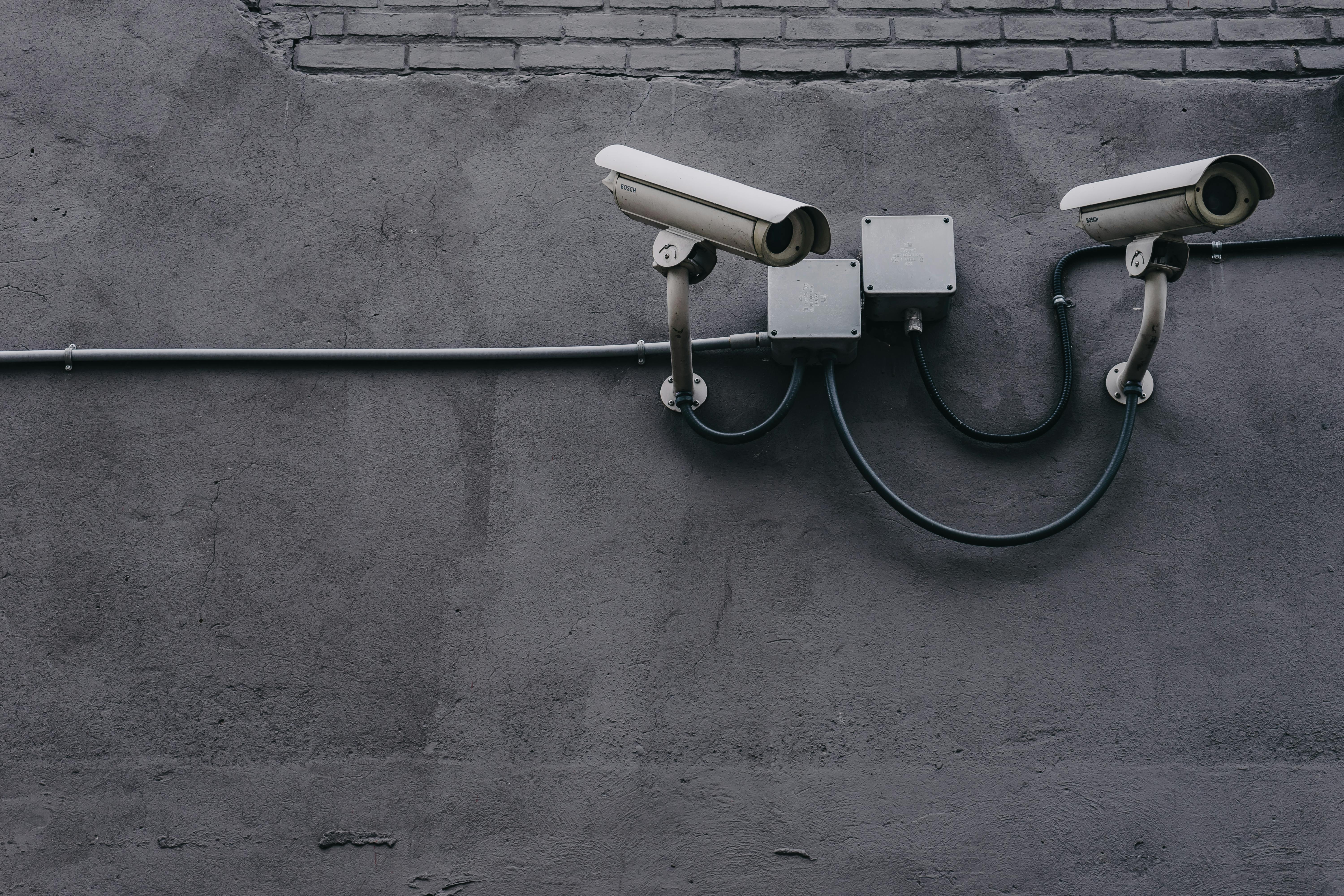
Because SPD now requires evidence before dispatching, a system built around cameras  not door and motion sensors alone  is the difference between an alarm that actually gets a response and one that just makes noise. Confirm your monitoring provider can supply live video or clips to responding officers.
An honest scope of what you're protecting
A retail storefront, a small office, and a warehouse with after-hours deliveries all need different coverage. Walk the property with an installer and identify every entry point, blind corner, and high-value area before pricing anything.
Access control for who comes and goes
Key fobs or card readers replace shared keys that are easy to lose or copy, and give you a log of exactly who entered and when  useful for both security and simple accountability among staff.
A monitoring plan that fits your hours
24/7 professional monitoring costs roughly $30 to $100+ per month depending on the services included. Confirm whether that covers video verification specifically, or just traditional sensor monitoring that Seattle police may no longer act on alone.
Comparing System Types
| System | Typical Installed Cost | Best For |
|---|---|---|
| Basic alarm (sensors only) | $500 – $2,000 | Deterrence and remote alerts  but alone, won't meet SPD's evidence requirement for dispatch |
| Video surveillance, small (4–8 cameras) | $2,400 – $6,000 | Storefronts, salons, and small offices needing visual evidence and deterrence |
| Access control (per door) | $1,500 – $3,000 | Businesses managing staff entry, after-hours access, or multiple employees with keys |
| Integrated system (cameras + access + alarm) | $8,000 – $30,000 | Most small-to-mid businesses wanting a single coordinated system rather than three separate vendors |
Buying an integrated system from one installer typically costs less than piecing cameras, access control, and an alarm together from three separate vendors  and it's easier to confirm the video-verification piece is actually built in from the start.
Seattle-Specific Requirements
A licensed monitoring company
The City of Seattle requires every alarm-monitoring company to hold an annual license and Unique Identifying Number (UIN). SPD will not dispatch to calls from an unlicensed company  confirm your provider's license status directly.
Enhanced call verification
Seattle ordinance requires monitoring companies to make at least two phone calls to verify an alarm before requesting police dispatch. Ask how your provider handles this process and how quickly they move through it.
False alarm fee exposure
Seattle bills $115 for a false burglar alarm and $230 for a false panic or duress alarm once SPD is dispatched and arrives, with a lower $30 fee if the call is canceled before arrival. These fees are billed to the alarm company, which may pass them along to you  ask how that's handled.
A one-time waiver, once it counts
Seattle offers a false alarm fee waiver once every 84 months for businesses that attend an alarm user workshop or switch to private guard dispatch response. Know this option exists before your first false alarm costs you.
Pro tip: Ask a prospective provider directly: "If my alarm triggers, what evidence do you send to Seattle Police, and how fast?" A vague answer means your system may ring plenty of bells without ever getting a real response.
Red Flags to Avoid
No video verification capability
A sensor-only system sold without acknowledging Seattle's verified-response policy is being sold on an outdated assumption about how alarms get answered.
Can't confirm they're licensed with the City
If an installer or monitoring company can't produce their UIN, SPD won't dispatch to their calls at all  this isn't a minor paperwork detail.
Sight-unseen quotes
A number given over the phone without ever seeing the property tends to change significantly once installation starts. Insist on a walkthrough before signing.
Long lease contracts with no ownership option
Multi-year monitoring contracts that bundle in leased hardware can cost more over time than buying equipment outright and shopping monitoring separately.
No plan for false alarm reduction
A provider who doesn't proactively help you reduce false triggers  proper sensor placement, staff training, exit delays  is setting you up for recurring fees rather than fewer of them.
The Bottom Line
Choosing a commercial security system in Seattle comes down to three decisions in order: scope the property honestly before pricing anything, prioritize video verification given SPD's evidence-based dispatch policy, and confirm your monitoring company is properly licensed with the City.
An alarm that only rings, without evidence a real event occurred, may not get anyone to your door at all. Build the system that actually gets a response.